
Choose the anchors before the exact minutes
Start with the ceremony and the end of the event, then work with your caterer on when dinner should be served. Those anchors help your photographer, coordinator and music team suggest a practical sequence. Ask when each vendor needs access and when the room must be ready for guests.
If outdoor portraits matter to you, ask your photographer about the light on your actual date. A sunset time is not a wedding timeline by itself. Family photographs, travel, your ceremony and the weather all need room in the same plan.
How many hours do we have with our guests?
Think of your booking as two blocks. The first two hours give you access before guests arrive. Your family can use that time to get ready, take photographs or talk through an entrance while your vendors finish the agreed setup. The next block is the time you spend with guests, from the ceremony or welcome through dinner and the last dance. Cleanup follows the celebration.
Here is how the same 2 p.m. start could work. These clock times are examples so you can compare the packages.
- Mini wedding, six hours. Prepare from 2 to 4 p.m. and celebrate from 4 to 8 p.m. The private suite is yours from 2 to 8. Your four hours of DJ and MC coverage run during the celebration.
- Your Way or Signature, eight hours. Prepare from 2 to 4 p.m. and spend 4 to 10 p.m. with your guests. Decide how much of those six guest hours to give to the ceremony, dinner and dancing.
- Dream, up to nine hours. After the same two preparation hours, you can have up to seven hours with guests. In this example, the last dance could be at 11 p.m.
Try a sequence before choosing clock times
This is a conversation starter, not a promise of event hours or a required order. Your ceremony, menu, traditions and selected services will change the timing.
- Before arrivals: vendors finish the agreed setup; the coordinator checks the room, names and cues.
- Welcome and ceremony: allow time for guests to settle and the wedding party to gather.
- After the vows: family photographs and guest refreshments can happen in parallel when the team and layout support it.
- Dinner and toasts: confirm service timing before placing speeches or performances.
- Your celebration: first dance, family moments, dessert and open dancing follow the order that suits you.
- A thoughtful finish: agree on the last song, collection of personal items and vendor breakdown.
While you take portraits, follow one guest
Think of the aunt who traveled the farthest. She has hugged you after the vows, slipped her phone back into her bag and turned around. What will tell her where to go? In one Nencini arrangement, guests gather in the welcome area near the entrance while the team opens the ceremony side for the reception. Give your greeter a place to stand and a sentence to say. If two languages are spoken at home, have the welcome ready in both.
- At the last row. A host directs your aunt toward refreshments and shows her a seat if she wants one.
- During portraits. A family member with the photo list collects the next small group. Your aunt knows whether she is needed in this picture or can finish her conversation.
- At the dining room. The coordinator checks the room with the service lead. The DJ or MC gets the agreed cue, then invites guests to dinner. Someone shows your aunt to her table.
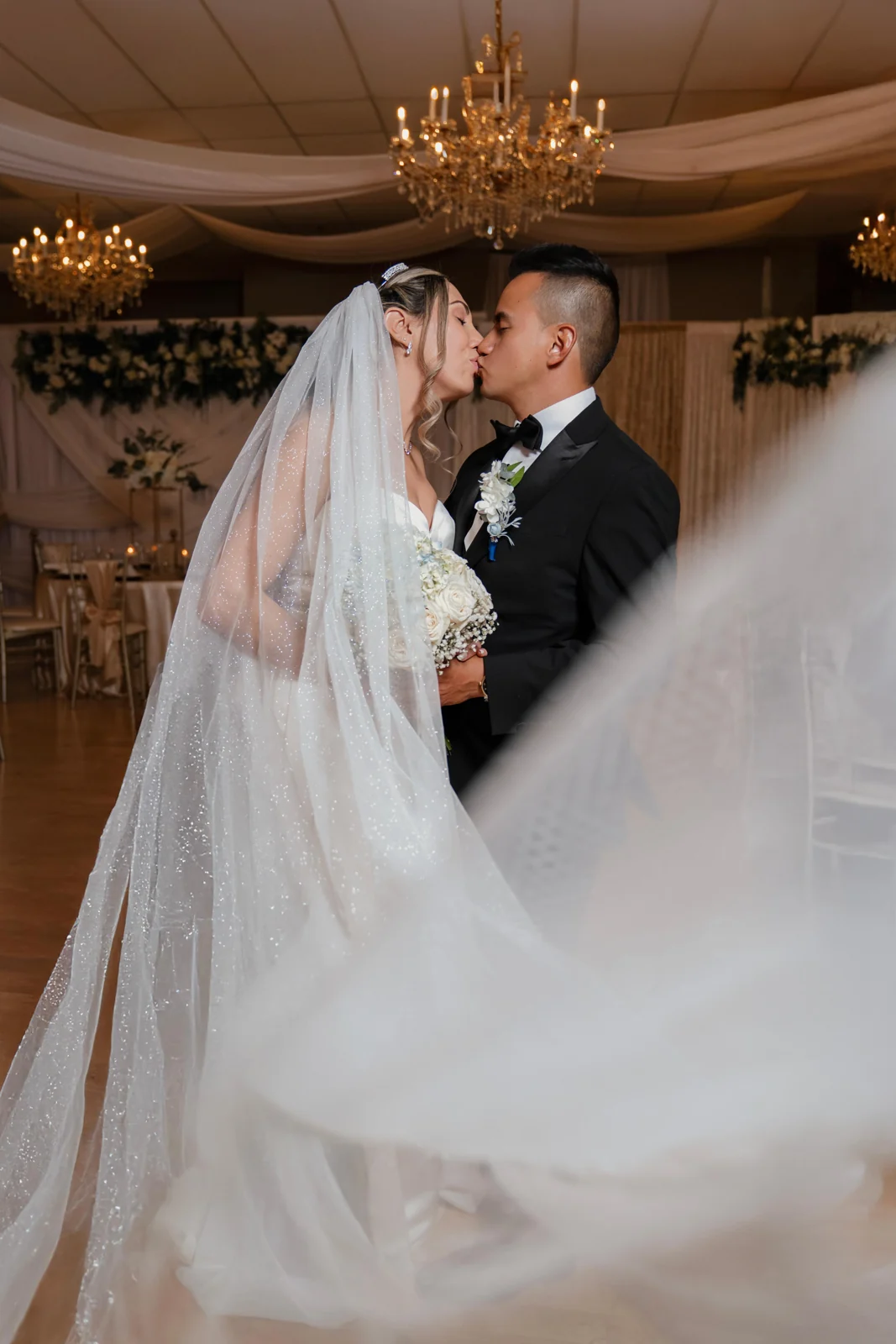
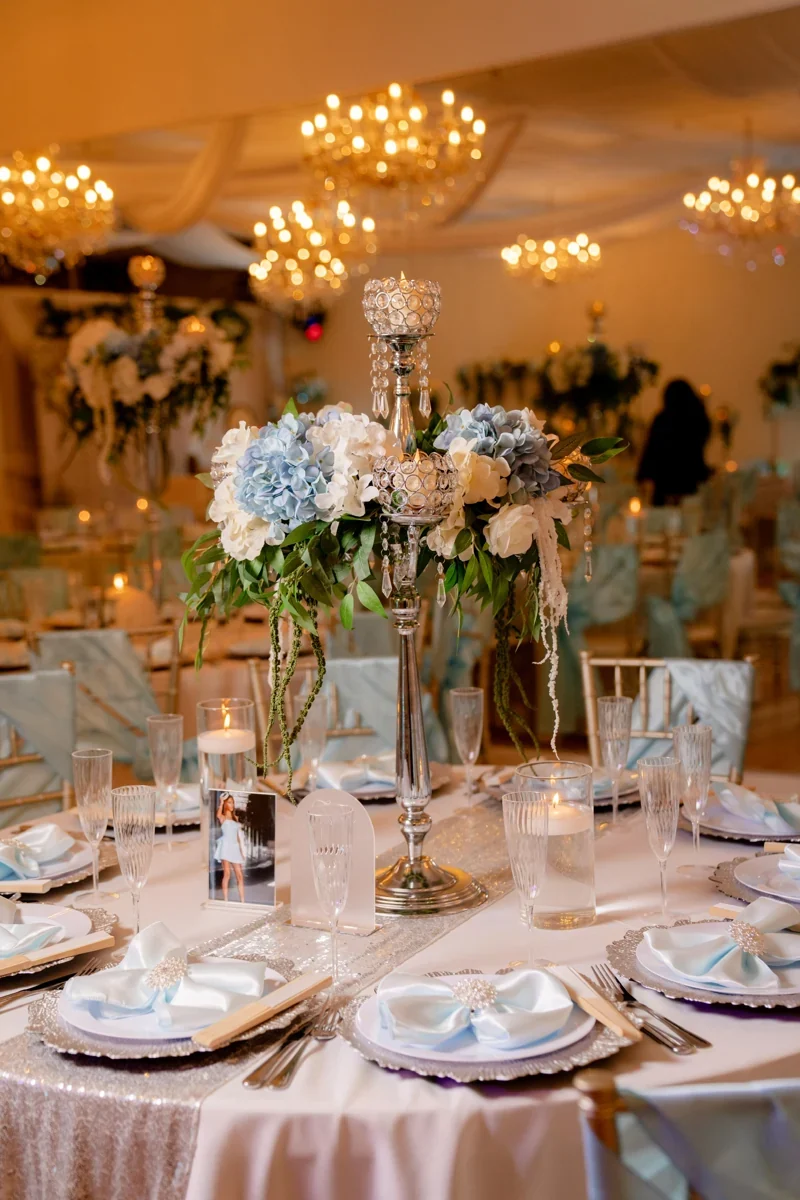
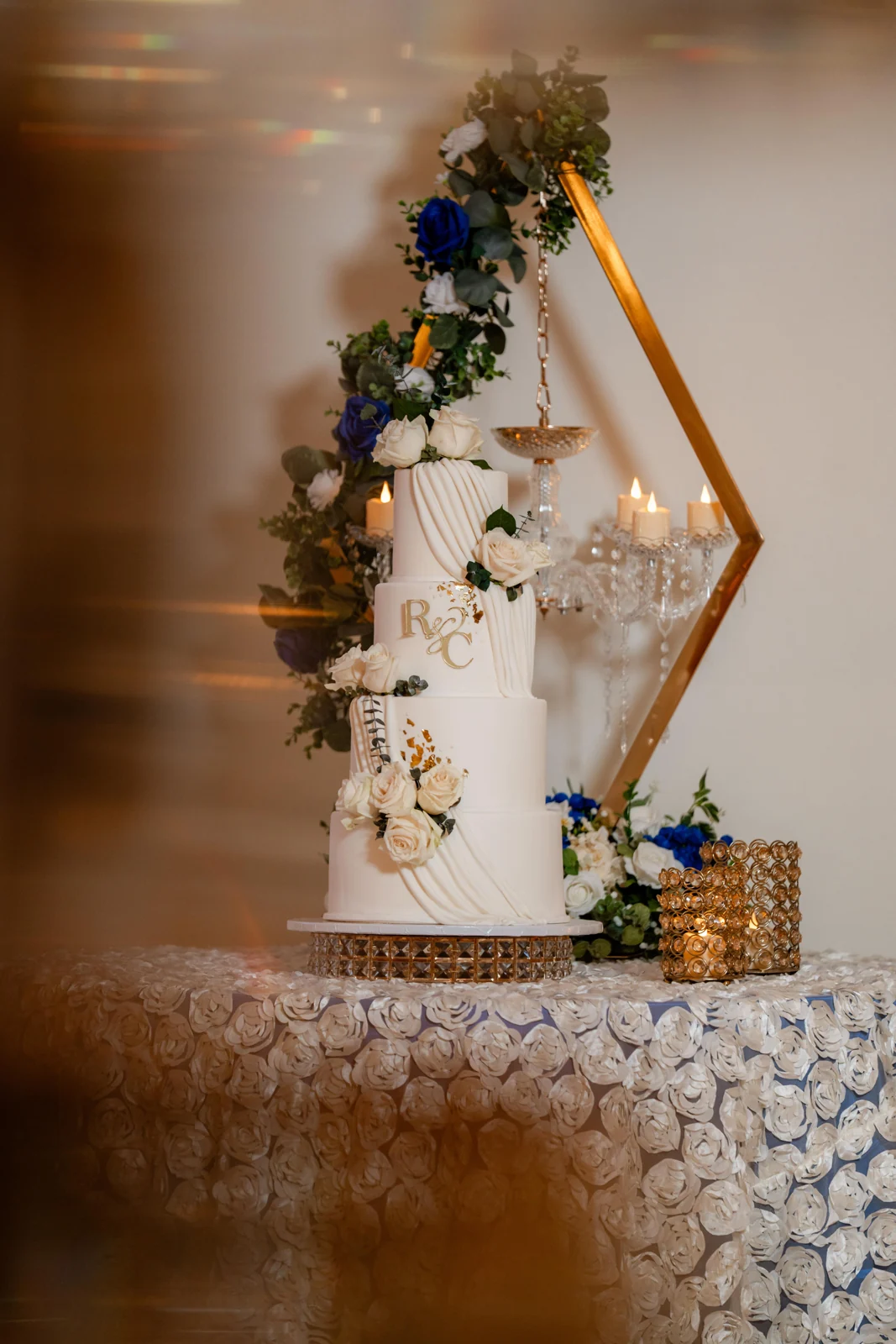
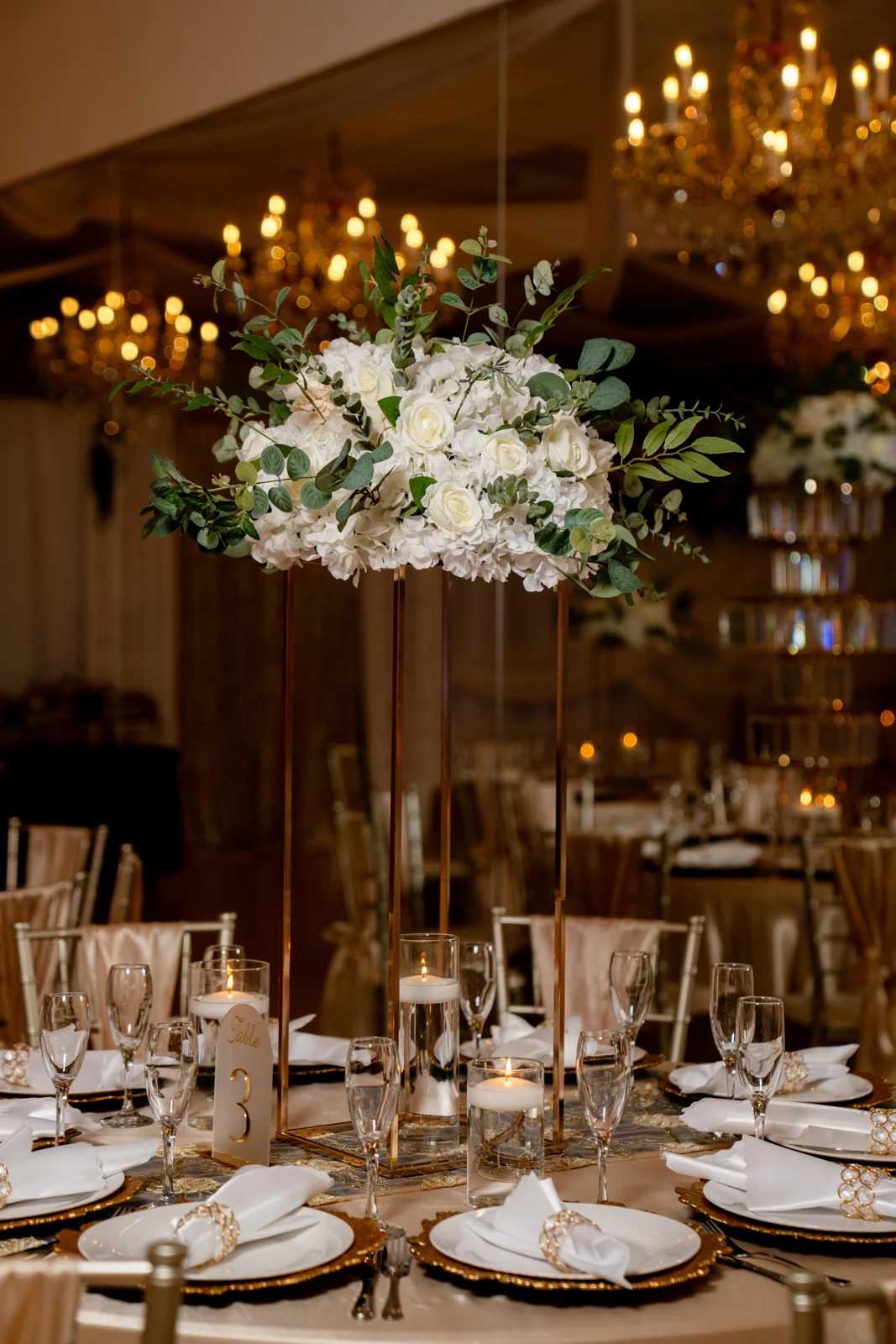
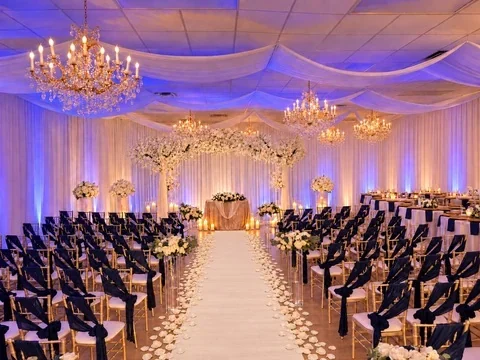
Walk that sequence at your visit. Choose the actual waiting seats, the person giving each cue and the person collecting cards or personal items later. Our room layout guide helps you check how those routes fit together. The photos show ceremony and reception setups from our own ballroom.
Put names beside the transitions
“First dance after dinner” leaves several unanswered questions. Who checks that you are ready? Who starts the correct music? Where is the photographer? What tells the room to turn its attention toward you?
Give each transition a responsible person and a clear cue. Include pronunciation notes for names, a list of speakers and any music edits. Your DJ, MC and coordinator may have different roles, so confirm who is doing what in your selected plan.
Protect a little breathing room
Photographs run more smoothly when relatives know where to meet. Dinner feels better when speeches do not compete with service. Leave time between the toasts and your next photo to eat dinner together. These are reasons to leave a margin between major moments.
Choose which moments can shorten if something runs late. A prepared team can adjust a transition without asking the couple to make a series of small decisions in front of their guests.
Share one final version
Ask your coordinator to gather the agreed times into one version for the venue and vendors. Include contacts, arrival details, selected services and the finish. Tell speakers and family members the parts they need to know.
At Nencini, talk through the ceremony-to-reception transition and any selected dance production together.